
Nature
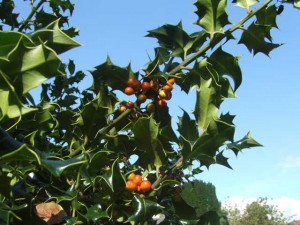
Members of the IW Garden Trust recently carried out a survey of the trees and shrubs in Ryde Cemetery.
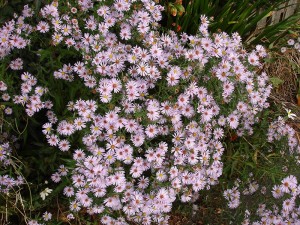
At the entrance to the Cemetery Lodge there is a beautiful display of Michaelmas daisies. These flowers belong to the aster family and aster comes from the Ancient Greek word meaning star, referring to the shape of the flower head.

The Red Admiral (Vanessa Atalanta) is a common and regular migrant to the UK at this time of year.
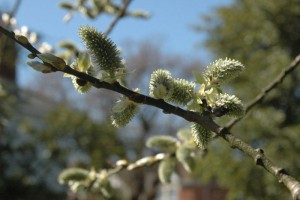
It has been a long, cold winter but at last the Cemetery is showing signs of Spring.
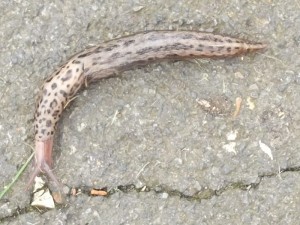
This summer has been perfect weather for slugs and snails, many of which live in the cemetery. Most of them seem to have migrated to the garden of The Lodge and have descimated our vegetable crops!
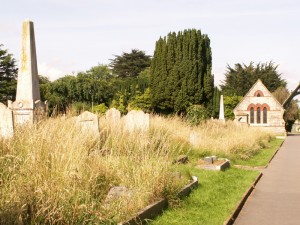
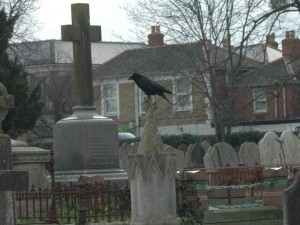
It was a bitter cold day on Saturday 28 January but 8 brave folk joined us for the Big Garden Birdwatch in Ryde Cemetery.
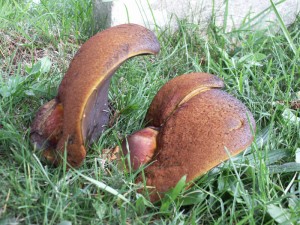
Despite the glorious early October weather the summer ("What Summer?" I hear you say) is drawing to a close and there are signs of autumn in the cemetery.

The six-spot burnet moth is brightly coloured and is active by day. As a result it is often mistaken for a butterfly. People generally think that moths only fly at night but in fact a number, including the six-spot burnet moth, fly by day.

Ryde Cemetery was established on ancient meadow land and has never been subjected to the use of pesticides or herbicides, so in the summer time when the grass is allowed to grow in the Old Parish Cemetery it fills up with beautiful old English meadow flowers.