
Nature
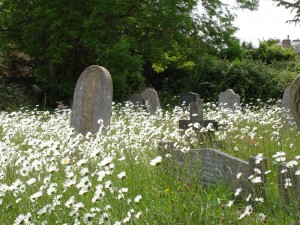
As is usual for this time of the year the meadow parts of the cemetery are a pretty sight with many tall grasses and wildflowers.
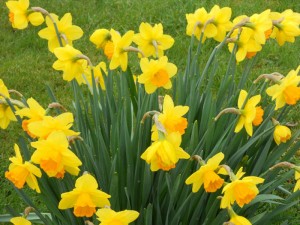
Did you know? The earliest known reference to Daffodils can be found in the 6th century AD writings of the Prophet Mohammed.
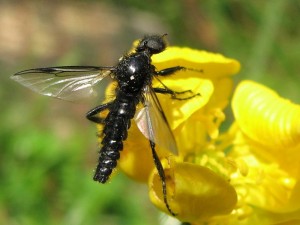
Visit Ryde cemetery in April and you may be surrounded by swarms of black flies slowly moving through the air with their long back legs dangling.

In the Victorian ‘Language of Flowers’ the snowdrop is called the flower of hope, its little shoots and snowy buds peeping through in the depths of winter, bringing a promise that spring is on the way. It was also associated with fresh hope as the old year ends and the new one begins.
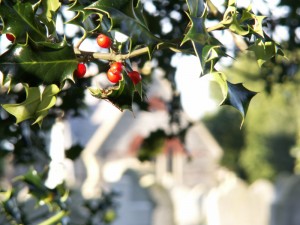
The holly and the ivy, when they are both full grown,
Of all the trees that are in the wood, the holly bears the crown.

This is the time of year when spiders seem to be very noticeable, whether by their dewy early morning webs or the vision of them scuttling around our bedrooms and bath tubs!
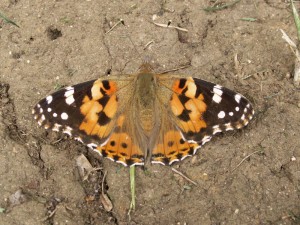
The Painted Lady (Vanessa Cardui) arrives in the UK from Africa every year.
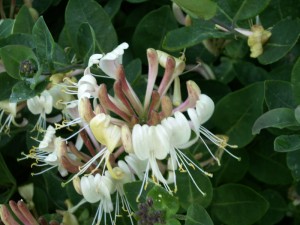
Our own native honeysuckle is found throughout Ryde cemetery. The common name comes from the Old English hunigsuge or ‘honey-suck’, because the ‘honey’ (or nectar) can be sucked from the flowers.
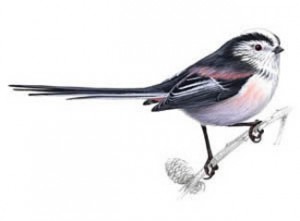
The 30th year of the RSPB Birdwatch saw a record-breaking half a million people take part, making it the biggest bird survey in the world.
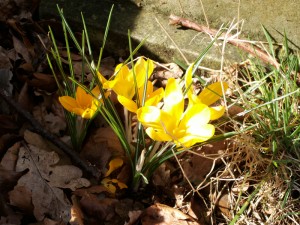
In February the crocuses began to appear in the Cemetery bringing some welcome colour and a promise that Spring is not far away.